Air Sampling vs. Surface Sampling: Which Mold Test Do You Need?
Air sampling and surface sampling answer different questions. Learn which mold test fits your situation and what the lab results tell you.
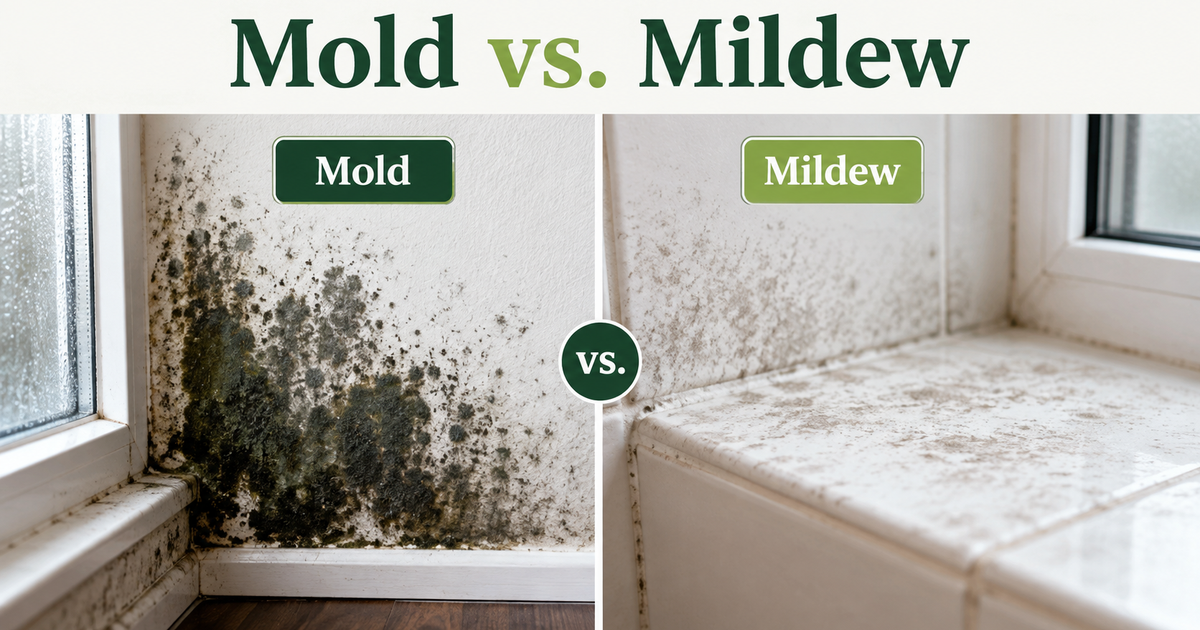
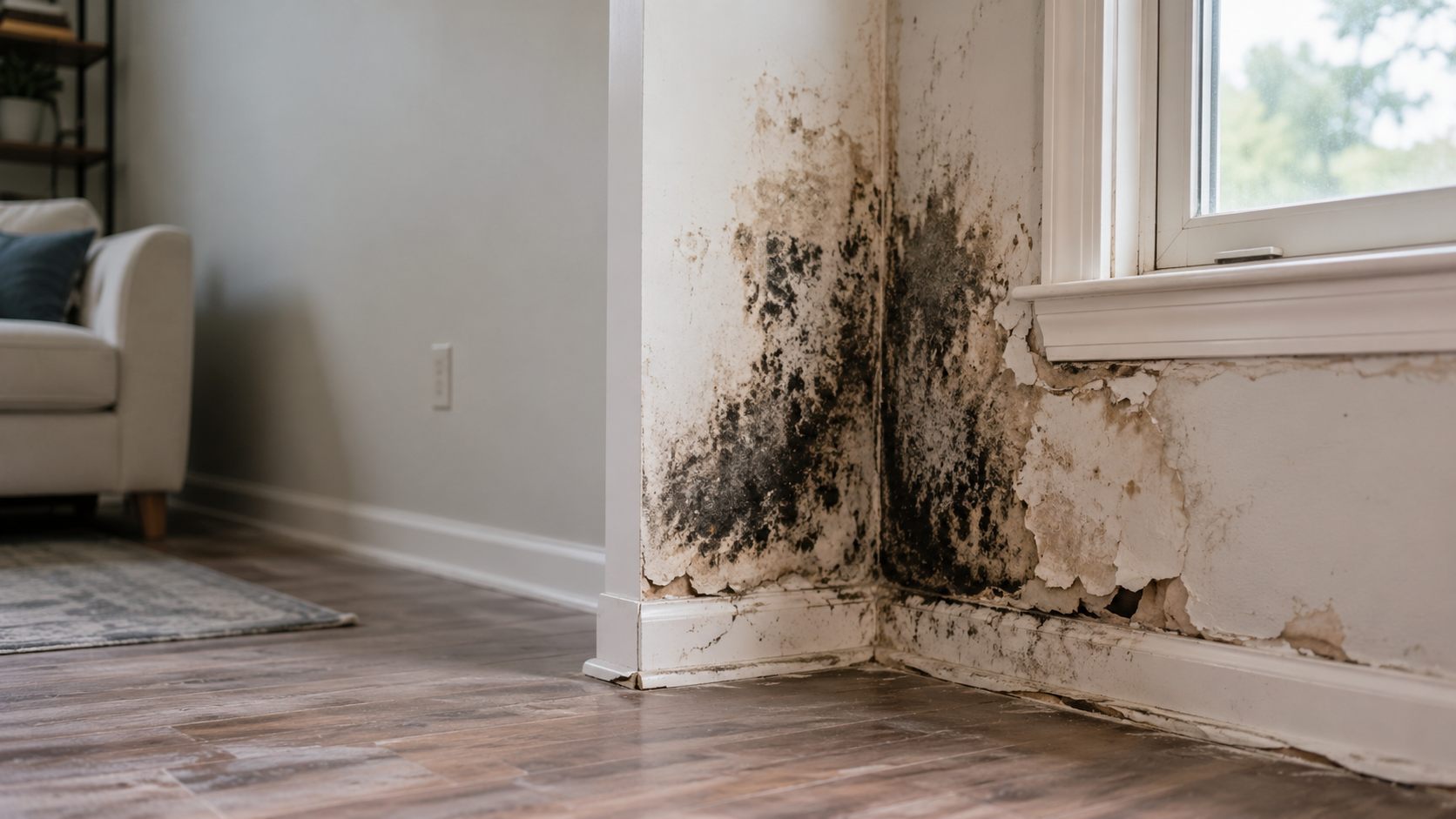
Most mold testing uses one of two methods: air sampling or surface sampling. Each answers a different question, and many inspections use both.
Air sampling
An air sample pulls a measured volume of air through a collection cassette. The laboratory counts and identifies the spore types captured, according to its analytical method. Because mold spores are normally present outdoors, the inspector also takes an outdoor control sample. Your indoor results are compared to that outdoor baseline.
Air sampling is the better choice when:
- You smell mold but cannot see it
- You suspect hidden growth behind a wall or in the HVAC system and want information about airborne spores
- Sampling is part of the verification criteria after remediation
There is no federal standard for "safe" indoor mold levels. The U.S. EPA notes that no EPA or federal limits have been set for mold or mold spores. That is why the indoor to outdoor comparison, and the types of mold found, matter more than any single number. Air sampling is also a snapshot of conditions at the time the sample is collected.
Surface sampling
A surface sample is taken with a swab or tape lift directly from a stain or suspected growth. The laboratory reports the fungal structures or types present in the sample, according to its analytical method.
Surface sampling is the better choice when:
- You see a stain and want to know whether it is mold
- You want to identify the type of growth on a specific material
Why many inspections use both
A surface sample provides information about one spot. Air samples provide information about airborne spores at the time of sampling. Sampling is not always necessary: the EPA notes that in most cases, if visible mold growth is present, sampling is unnecessary. Results are interpreted together with the inspection and moisture conditions.
Get the right test
A Just Mold Testing inspector will recommend the sampling that fits your situation and explain the results in plain language. It starts with a $49 professional mold inspection, and the $49 is waived if you proceed with testing during the visit. Samples are analyzed by an independent accredited lab, with results typically within 24 to 48 hours. Available 24/7. Call (818) 658-9336 or book online.
Reference: U.S. EPA, "A Brief Guide to Mold, Moisture, and Your Home," epa.gov/mold.
Explore Topics
Written by
Just Mold Testing
Independent mold inspection and testing company serving Los Angeles and surrounding areas. We test; we do not remediate.