Attic Mold in Los Angeles: Causes, Risks, and What to Do About It
Attic mold is one of the most common, and most overlooked, mold problems in LA homes. Learn what causes it, why it spreads so fast, and how to find out if your attic is affected.

Of all the places mold hides in a Los Angeles home, the attic is the one most homeowners never think to check, until it's too late.
Attics are dark, rarely visited, and often poorly ventilated. They sit directly beneath the roof, making them the first place water enters when a roof fails. And because most people only go up there to retrieve holiday decorations once a year, attic mold can grow unchecked for months or even years before anyone notices.
By the time it's discovered, attic mold is often extensive, covering roof decking, rafters, and insulation across large portions of the space. Remediation at that stage is significantly more involved and expensive than catching it early.
Here's what every LA homeowner should know.
Why Attics Are So Vulnerable to Mold
Mold needs three things: moisture, warmth, and an organic surface to grow on. Attics provide all three in abundance.
Moisture sources in attics:
- Roof leaks, cracked tiles, failed flashing, deteriorated underlayment, or clogged gutters that allow water to back up under the roofline
- Inadequate ventilation, when warm, humid air from the living space rises into the attic and can't escape, it condenses on the cooler roof decking
- Bathroom and kitchen exhaust fans vented into the attic, a surprisingly common installation error that pumps humid air directly into the attic space instead of exhausting it outside
- HVAC equipment in the attic, air handlers, ductwork, and condensate lines that leak or sweat
Organic surfaces in attics:
Roof decking (plywood or OSB), wood rafters and trusses, and cellulose insulation are all highly susceptible to mold growth. Once moisture is present, these materials can begin supporting mold colonies within 24–48 hours.
Warmth:
Los Angeles attics get extremely hot in summer, regularly exceeding 140°F on hot days. While extreme heat can slow some mold species, it doesn't kill established colonies, and the temperature swings between day and night create condensation cycles that keep moisture available.
The Most Common Causes of Attic Mold in LA
Roof Leaks
Southern California's roofs are subjected to intense UV exposure for most of the year, which degrades roofing materials faster than in cooler climates. When the rainy season arrives, even a mild one, compromised roofs allow water to enter. Because attic leaks often don't reach the ceiling below, they can go undetected for an entire rainy season.
Improperly Vented Exhaust Fans
Building codes require bathroom and kitchen exhaust fans to vent to the exterior of the home. But in many older LA homes, and even some newer ones, these fans were installed to vent directly into the attic. Every shower, every cooking session pumps warm, humid air into the attic space. Over months and years, this creates chronic moisture conditions that are ideal for mold.
If you're not sure where your exhaust fans vent, this is worth checking. It's one of the most common causes of attic mold we find in LA homes.
Inadequate Attic Ventilation
Proper attic ventilation requires a balance of intake vents (typically at the soffits) and exhaust vents (at the ridge or gable). When this balance is off, due to blocked soffit vents, insufficient ridge venting, or insulation installed over intake vents, warm humid air gets trapped in the attic and condenses on the roof decking.
Solar Panel Installations
This is a growing issue in LA. When solar panels are installed, contractors sometimes block soffit vents or alter the roof's ventilation profile. If the attic ventilation isn't reconfigured to compensate, the result can be increased moisture accumulation and mold growth.
HVAC Equipment and Ductwork
Many LA homes have their air handler and ductwork in the attic. Condensate drain lines can clog and overflow. Duct connections can come loose, allowing conditioned air to leak into the attic space. Both create moisture conditions that lead to mold.
Health Risks of Attic Mold
Attic mold is not always isolated from the living space. Air can move between the attic and the rooms below through ceiling penetrations such as light fixtures, attic hatches, and gaps around ducts, and leaky HVAC ducts or returns in the attic can draw attic air into the system. How much this happens varies from house to house.
According to the CDC, for some people mold can cause a stuffy nose, sore throat, coughing or wheezing, burning eyes, or skin rash. People with asthma or mold allergies may have severe reactions, and immune-compromised people and people with chronic lung disease may get lung infections from mold. Mold testing does not diagnose medical conditions and cannot show whether mold caused a particular person's symptoms, so health questions should go to a physician.
Signs You May Have Attic Mold
Because attics are out of sight, the signs of attic mold often show up elsewhere in the home first:
- Musty odor in upstairs rooms or throughout the home, especially after the HVAC runs
- Allergy symptoms that are worse at home than elsewhere
- Dark staining on the ceiling below the attic, particularly after rain
- Peeling or bubbling paint on upper-floor ceilings
- Visible mold or discoloration on attic wood surfaces (if you look)
- Increased energy bills, wet or damaged insulation does not insulate as well
If you've had a roof leak, even one that was repaired, having the attic inspected is worth considering. The repair stops the water, but it doesn't address any mold that grew during the period the leak was active.
What Does Attic Mold Look Like?
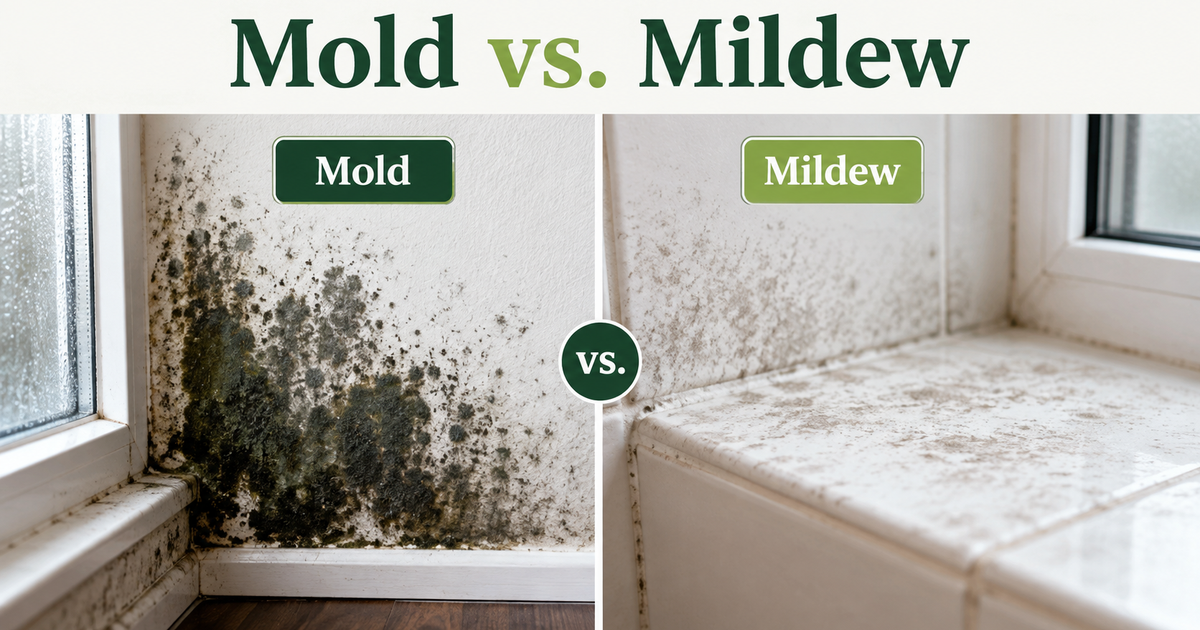
Attic mold typically appears as dark staining on the underside of the roof decking (the plywood or OSB panels that form the base of the roof). Colors range from gray and green to black, depending on the species.
Early-stage attic mold may look like simple discoloration or "dirty" wood. Many homeowners mistake it for normal aging or dirt. By the time it looks obviously like mold, fuzzy, dark, widespread. It's usually been growing for months.
Laboratory testing can provide additional information when sampling is appropriate, but results should be interpreted together with the physical inspection and moisture conditions.
What to Do If You Suspect Attic Mold
Step 1: Get a professional mold inspection. An inspector can evaluate the attic, check moisture conditions, and identify the likely moisture source, which must be addressed for any remediation to be effective. When sampling is appropriate, air samples from the attic and the living space below, compared with an outdoor sample, can provide information about airborne spores at the time of sampling.
Step 2: Fix the moisture source. Mold remediation without fixing the underlying moisture problem is a waste of money. Whether it's a roof repair, exhaust fan rerouting, or improved attic ventilation, the source must be corrected first.
Step 3: Hire a qualified remediation contractor. Attic mold remediation typically involves HEPA vacuuming, antimicrobial treatment, and in severe cases, replacement of roof decking or insulation. Make sure the contractor is licensed and experienced with attic work specifically.
Step 4: Get independent post-remediation verification. After remediation is complete, post-remediation verification evaluates the remediated area against the project's verification criteria using visual observations, moisture conditions, and sampling when appropriate. Having it done by a company that did not perform the remediation avoids a potential financial conflict.
How Much Does Attic Mold Testing Cost in Los Angeles?
Just Mold Testing begins with a $49 professional mold inspection. The inspector evaluates the attic and any related areas of concern, checks moisture, and determines whether sampling is appropriate. If you proceed with mold testing during the visit, the $49 inspection fee is waived. Recommended testing and its price are explained before any samples are collected, and no additional testing is performed without your approval. Testing prices vary based on the investigation and sampling needed. See our Los Angeles mold testing cost guide for the factors involved.
Don't Wait Until You Can See It
Attic moisture problems are usually easier to deal with when they are found early. A small area caught early is generally a smaller repair than widespread growth across the roof decking and rafters, which can require substantially more work.
If your home is more than 10 years old, if you've had any roof leaks, or if you've never had your attic inspected for mold, now is a good time to find out what's up there.
Book an inspection or call (818) 658-9336, we're available 24/7 and serve all of Greater Los Angeles.
Explore Topics
Written by
Just Mold Testing
Independent mold inspection and testing company serving Los Angeles and surrounding areas. We test; we do not remediate.